Personal Injury Law Blog

Secondary Crashes on Chicago Expressways

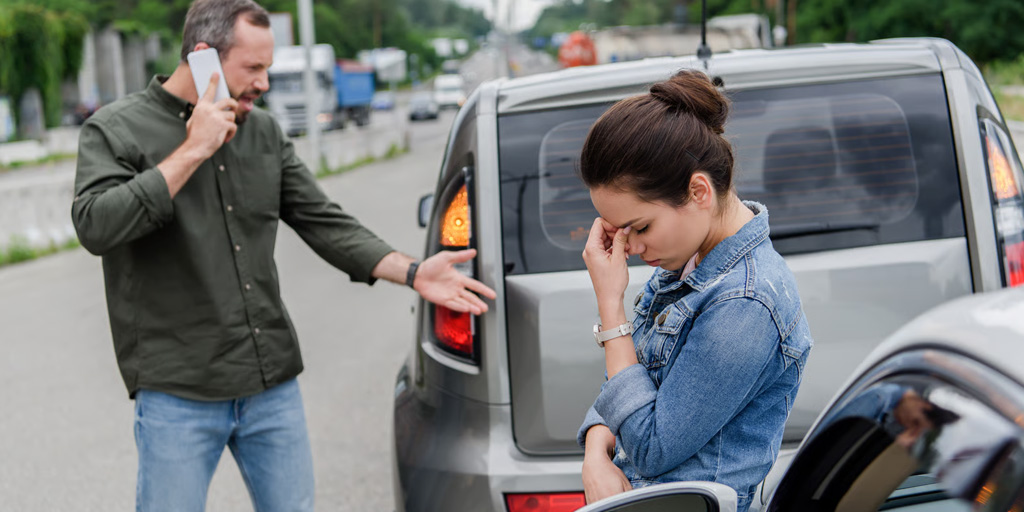
Serious crashes can result in a mix of emotions and leave victims shaken, injured, and distraught, trying to make sense of what happened. However, secondary impacts can turn a bad situation into something significantly worse. For instance, in early December, the I-57 crashes in Calumet Park highlighted the type of risks secondary crashes cause. In these types of situations, it is essential to contact a Chicago personal injury attorney to discuss your rights and remedies.
What Happened on I-57 in Calumet Park
Recent news reports described an initial multi-vehicle collision on I-57 around midnight. Shortly after the initial crash, another vehicle slammed into people who were standing outside one of the vehicles involved in the first collision. Tragically, three people died at the scene of the accident, and at least five others were transported to the hospital. Incidents like this are gut-wrenching for families; however, they also expose a reality that the danger of a car accident does not always end when the first crash occurs.
What a Secondary Crash Is and Why It Happens
“Secondary crashes” are those that occur because an earlier crash created a dangerous situation. Some common crash hazards include stalled vehicles, debris, unexpected lane changes, rubbernecking, or traffic diversions. The worst types of secondary crashes include situations where accident victims or bystanders are standing in the travel lanes or on the shoulders.
Expressways around Chicago move fast, and nighttime conditions make everything more complicated. Headlights can hide distance, drivers can miss hazards until the last second, and one distracted or impaired driver can cause a second impact before anyone has time to react.
Illinois Numbers Show This Is Not a Rare Risk
Illinois safety officials understand that the state’s motor vehicle deaths are not isolated tragedies. In fact, the Illinois Department of Transportation (IDOT) reported 1,241 traffic fatalities and 1,143 fatal crashes in 2023. Furthermore, in 2024, the Department also recorded a 92.4% front seat belt usage rate. IDOT also reported a 92.4% front seat belt usage rate in 2024. The reports indicate that many people buckle up, drive carefully, yet still get caught in situations they never saw coming, especially when traffic is moving fast, and visibility is limited.
Numbers do not capture grief or pain. However, they show how common serious crashes are in Illinois and reinforce a practical truth. You need a plan for what to do after impact, since another driver can create a second disaster without warning.
What to Do Right After a Crash on an Expressway
After an accident, it is crucial to prioritize your safety. However, the actions a person takes are crash-specific. Meaning that the correct or safest choice depends on where the collision occurred. These steps can reduce the likelihood of a secondary crash. Some steps to take include the following:
If you can safely get yourself out of immediate danger, take these steps in order:
- Call 911. If you have access to your phone, call emergency responders as soon as you can. Try to describe your exact location and the lane or shoulder you are waiting on.
- Turn on your emergency flashers. If you are still around your vehicle, turn on your hazard lights and be aware of any oncoming traffic. Especially if the accident has caused a lane shift.
- Move your vehicle if you can. If your car is safely operable, move it out of the travel lanes. Some safer spots include the shoulder or a close exit area. However, make sure that moving your vehicle does not create a new hazard.
- Avoid standing in traffic. If you have to leave your vehicle, try your best to avoid standing in traffic areas. Look for protection behind a guardrail or away from the flow of traffic.
- Accept medical treatment. After emergency responders arrive, resist the urge to explain away your pain. Many times, adrenaline can mask serious injuries, so it is best to get an evaluation.
These choices within the first few minutes of a collision can drastically change the outcome of your accident and any subsequent compensation claim.
Why People Get Hurt After The First Impact
People step out of their vehicles for understandable reasons. They want to check on loved ones. They want to make sure everyone is okay. You want to see the damage and call for help. Expressways punish those instincts.
A shoulder is not a sidewalk. Cars clip shoulders. Drivers overcorrect. A distracted driver drifts. A speeding driver does not have room to stop. The safest move often involves creating distance between your body and moving traffic, even if your car is nearby.
How Fault And Insurance Arguments Get Messy in Secondary Crash Cases
Secondary crash cases often turn into blame-shifting contests. One insurer points to the first crash. Another point to the driver who caused the second impact. Someone argues that people should not have been outside the vehicle. Someone else argues the second driver should have seen the scene and slowed down.
A fair result depends on facts, not finger-pointing. Liability can involve more than one driver, and the timeline matters. The seconds between impacts, the location of vehicles, visibility, lighting, speed, and driver behavior all shape what happened and who should pay.
How a Chicago Car Accident Attorney Can Help You Prove What Happened
Speaking with an attorney is not about creating a dramatic situation. It is a necessary step in the process because it allows victims and their attorneys to preserve vital evidence. This evidence helps support a case for damages.
A viable claim often relies on evidence that can disappear within a few days. An attorney at Briskman Briskman & Greenberg can help by gathering and locking down evidence such as crash reports and scene diagrams, witness statements, expressway or nearby business video, vehicle damage documentation, and medical records that connect your injuries to the crash sequence. The firm can also handle insurer contact, so you do not get boxed into a recorded statement that leaves out key context.
Contact Our Chicago Car Accident Lawyers Today at Briskman Briskman & Greenberg
You deserve a clear plan after a serious wreck, especially when an expressway crash involves multiple impacts and multiple insurance companies. A Chicago personal injury lawyer and car accident attorney at Briskman Briskman & Greenberg Personal Injury & Car Accident Lawyers can walk you through the next steps, protect your claim, and push back when an insurer tries to minimize what you have been through. Call 1-877-595-4878 for a free consultation with a lawyer.