Personal Injury Law Blog

How Generation Y (Millenials) and Z Drivers Are on the Road
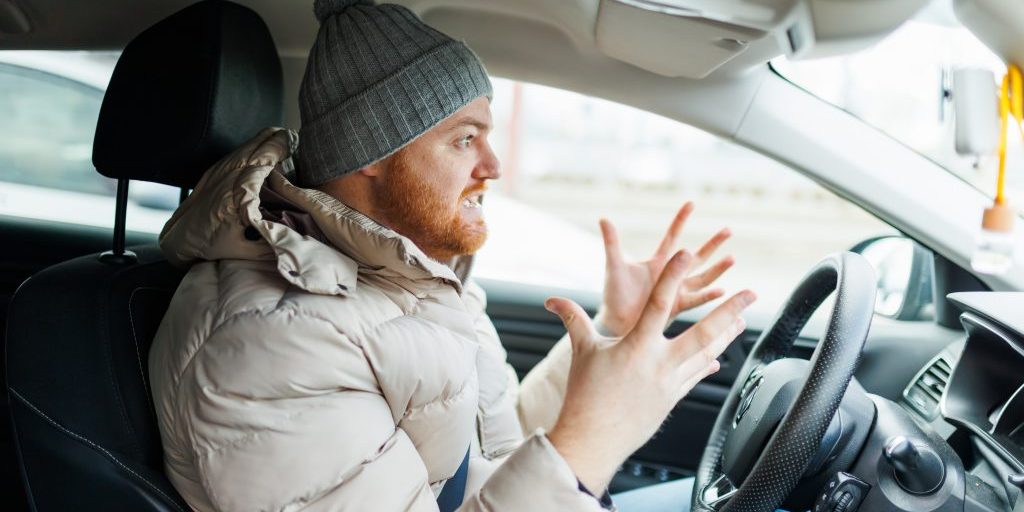
According to The Zebra, in 2023, 92 percent of drivers witnessed an act of road rage in 2022. Road rage, otherwise referred to as aggressive driving, is not exclusively the behavior of just one or two groups. However, there do seem to be some generational indicators for Millennials and Generation Z drivers. It is speculated that some of the road rage seen just after COVID-19 arrived has lessened over time. However, there are still many instances of road rage witnessed on the road and evident in the cause of various accidents.
Even though they are considered to be the same, there is a difference between road rage and aggressive driving. Some States have passed laws criminalizing aggressive driving, but it cannot be confused with road rage.
Road rage is intentional assault by a driver or passenger with a motor vehicle, or a weapon, that happens on the roadway or occurs due to an incident on the roadway. Additionally, 66 percent of traffic deaths are the result of aggressive driving.
What Causes Aggressive Driving and Road Rage?
There is no definitive cause for road rage, and there are a variety of reasons why it happens. The driver may be DWI/DUI and not making good decisions, may be under the influence of a prescription or street drug and not thinking clearly, or maybe late and in a rush to get where they are going. These are not good reasons to drive aggressively, and road rage is far too common these days.
The Zebra, an insurance comparison site that assessed the driving behaviors of 2,388 Americans in 2023, discovered several interesting facts about road rage and aggressive driving. They include:
- Drivers reported 60 percent of aggressive drivers changing lanes without signaling.
- Approximately 31 percent of drivers saw others on the road using rude hand gestures
- At least 52 percent of drivers reported the most frustrating thing for them was being cut off
- To calm down after becoming enraged, 49 percent of drivers used a podcast or music
The Zebra also provided insight into road rage statistics for 2021 and found that:
- Of the 1,500 drivers polled, the most often witnessed road rage response was angrily honking their horns (45.4 percent)
- Rude gestures also demonstrated rage (38.9 percent)
- Thirty percent of drivers reported texting while driving was the most frustrating thing they witnessed.
- Another 6.8 percent said heavy traffic was aggravating.
- Angry drivers calmed down by listening to music or a podcast. (26.5 percent)
Road rage statistics for 2020, as reported by The Zebra, also indicated that in that year:
- Approximately 19.3 percent of those responding to the survey felt intense aggression and anger while driving during the year.
- About 5.5 percent of drivers said they felt that way every week.
- Those who drove daily or frequently indicated they felt anger and aggression every time they were behind the wheel.
Road rage incidents noted in 2020 included:
- Honking the horn in anger ( 48.3 percent)
- Rude hand gestures (41.1 percent)
- Drivers yelling at one another (35.8 percent)
- Drivers exiting their vehicle to get into a fight (6.2 percent)
- Verbal confrontation with another driver (7 percent) (2019)
- Throwing objects at another driver (6 percent) (2019)
- An actual fight (6 percent) (2019)
- Sideswiping another vehicle (5 percent) (2019)
- Deliberately ramming or bumping another vehicle (5 percent)(2019)
- Forcing a driver off the road (5 percent) (2019)
- The most upsetting issues drivers cited in 2020 were being cut off (15.6 percent), distracted driving (27.7 percent), and tailgating (21.4 percent).
Americans, including Millenials and Gen Z drivers, know how dangerous road rage can be. However, statistics show that 40.8 percent think road rage is just as dangerous as driving while distracted. They also think it is just as dangerous as DWI/DUI (41.4 percent), yet did not report road rage (44.4 percent) to the police when they witnessed it.
Aggressive Driving vs. Road Rage
The National Highway Traffic Safety Administration (NHTSA) distinguishes between road rage and aggressive driving.
Aggressive driving that is reckless (negligent): tailgating, speeding, or blocking another car from passing. Road rage is serious and can involve violent behavior toward another driver, such as ramming another car, fighting with another driver on the side of the road, or using a weapon.
Additional facts about aggressive drivers and road rage include:
- Road rage is a criminal charge.
- Aggressive drivers can be ticketed for a traffic offense.
- Other criminal offenses include swerving into another car, forcing a driver off the road, shooting into another car, tailgating, ramming another vehicle, or randomly doing brake checks in front of a vehicle.
- Approximately 2 percent of drivers have attempted to run another driver off the road.
- A significant number of drivers, 86 percent, think it’s safe to drive at least 10 miles per hour over the speed limit.
- At least 22 percent of drivers have seen other drivers run red lights every day.
Gender and Age Road Rage Statistics
Males experience road rage more often than females, according to The Zebra.
- Males under 19 years old are most likely to indulge in road rage and tailgating.
- Those who experienced road rage more than four times a week were females 18-34 years old (34 percent).
- Male victims of road rage were assessed at 39.2 percent
- Female victims of road rage were cited at 28.9 percent
- Millennials born between 1981 and 1996 were involved in more than 50 percent of accidents caused by aggressive driving. (2019)
- Gen X drivers were cited as being involved in rude gesturing and aggressive driving (2019) (21 percent)
- Baby boomers experienced the fewest crashes caused by reckless behavior. (4.2 percent) (2019)
- Millennial and Gen Z drivers in 2019 indicated they slowed down to “educate people or annoy them” when they wanted them to move over. (20 percent)
- Aggressive driving crashes in 2019 involved a driver 18 to 24 years old. (20 percent)
- Anger management may have played a role in these accidents. (14 percent)
- Most incidents of road rage happen on freeways
What to Know about Driving Behaviors, Road Rage
Getting cut off seems to be the most often cited trigger for road rage, with Mondays and Fridays being the worst days for dealing with road traffic. Although it appears that road rage incidents are on the decline, at least 92 percent of drivers still report seeing at least one incident of aggressive driving within the year. Respondents to The Zebra 2023 survey also indicated that 34 percent carry at least one weapon in their vehicles.
THERE IS NO COST TO SPEAK TO A PERSONAL INJURY ATTORNEY ABOUT YOUR CASE
If you were injured or lost a loved one in a motor vehicle accident because of the carelessness of another, you may be able to receive compensation through a personal injury lawsuit.
Speak Directly to an Attorney
When you call Briskman Briskman & Greenberg for a free consultation, you talk to an experienced Chicago car accident attorney in Chicago. In most instances, it is one of the firm’s principals who assess your situation and advise you of your legal rights. Don’t wait to get your free legal consultation: if you fail to pursue your claim promptly, you could lose your legal rights forever.