Blog de Derecho de lesiones personales

How Severe Weather Increases Car Accident Risks in Chicago & Nearby Suburbs
As Chicagoans know all too well, summer storms can roll in with a vengeance, leaving a whirlwind of chaos in their wake. August, September, and October can bring dramatic shifts in weather, from sweltering heat to torrential downpours and even early fall storms. While we might breathe a sigh of relief when the storm clouds dissipate, the real dangers often emerge afterward.
Flooded streets, fallen branches, and debris can transform familiar roads into treacherous landscapes. With schools reopening in the aftermath of these storms, the urgency of safely navigating these hazards becomes paramount.
In this blog, we’ll delve into the heightened risks that Chicago-area drivers, including those in Aurora, Naperville, Joliet, and North Chicago, face after severe weather and provide essential tips for staying safe on the roads. Prepare yourself with knowledge, because staying alert in unpredictable weather is key to protecting yourself and others as we transition through these volatile months.
Recent Severe Weather & Car Accidents in Chicago and Northwest Indiana
Several Chicago-area schools were closed in mid-August after severe weather. Others had to race to clean up campus and repair damage before their official first day back for students, according to a recent 5 Chicago news report.
- Glenwood Academy suffered damage from a tornado on August 11, 2026, just two weeks after its campus was also struck by another severe storm (including tornado activity) on July 27, 2026, the second major storm to hit the south suburban Chicago school in as many weeks.
- School districts in Gary, Munster, Portage Township, and Duneland in northwest Indiana also suffered storm damage. Several other districts canceled their planned first days of school on Wednesday, August 12, or switched to e-learning.
Severe weather hit more than just Chicago-area schools. It also closed businesses and roads as crews worked to clean up damage. For drivers, these hazards pose serious risks and can even trigger a crash.
*Disclaimer: Briskman Briskman & Greenberg is not directly involved in any of the cases or incidents mentioned in this article. Past case results do not guarantee future outcomes.
How Does Severe Weather Increase Car Accident Risks for Chicago-Area Drivers?
After heavy storms on Tuesday, August 11, 2026, Indiana State Police urged drivers to fill their gas tanks before heading into northwest Indiana, citing widespread power outages affecting gas stations in Lake and Porter counties. Fox 32 Chicago reported on the warning.
- Fuel shortages may increase the risk of accidents if drivers don’t heed the warning to fill up. A car that runs out of gas on the roadway becomes an instant obstacle for oncoming traffic.
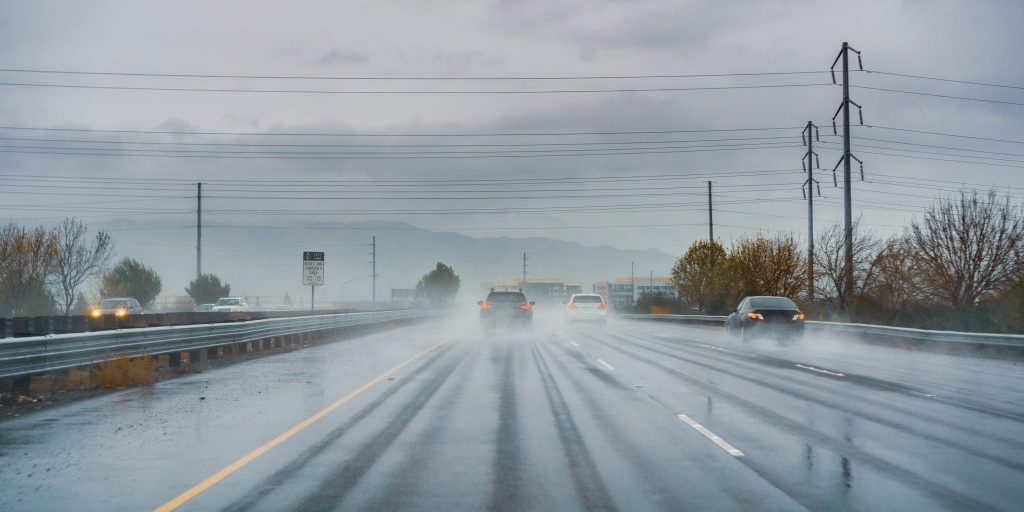
- Other obstacles can cause serious accidents even after a storm. Heavy rains can leave standing water on roads. Cars may skid or stall in standing water. A skidding vehicle can hit another car, a pedestrian, a bicyclist, or a motorcyclist. A vehicle stalled in standing water poses a similar dangerous roadway obstacle to one that has run out of gas.
As many Chicago drivers know, snow and ice can cause challenges even after they’ve stopped falling from the sky. Slippery spots can cause vehicles to slide and collide on the road. While four-wheel drive and snow tires help a vehicle move in snow, they don’t help it stop on ice.
In any season, high winds can knock down trees and leave debris on the roads. Debris creates new obstacles on a well-known drive. In the early morning or late at night, debris can be tough to see. As drivers try to navigate these challenges, they may brake, skid, swerve, or take other maneuvers that can trigger a collision.
Often, downed power lines can knock out power to stoplights and streetlights, too. Driving in the dark is more dangerous due to reduced light and visibility. At busy intersections, navigating without a streetlight is a major challenge. Drivers who aren’t paying close attention and managing their speed can cause serious injuries at these intersections.
Why Waiting for the Storm to Pass Doesn’t Guarantee a Safe Drive
Severe weather increases the risk of accidents. Drivers on the road when bad weather hits know how dangerous it can be.
- En Federal Highway Administration (FHWA) estimates that approximately 1.2 million vehicle crashes occur each year in adverse weather conditions, representing roughly 21% of all annual crashes in the United States.
- Rain and wet pavement are the most dangerous weather conditions for drivers, contributing to the majority of bad-weather accidents.
- According to the Federal Highway Administration (FHWA), approximately 75 percent of weather-related crashes occur on wet pavement, and 47 percent happen during active rainfall.
- These numbers demonstrate that the advice to avoid driving in a storm is sound. Yet driving after the weather clears has risks, too. Slippery roads, standing water, downed trees, snapped power lines, debris, and disabled vehicles in the roadway, and other obstacles can also cause a crash.
Drivers who aren’t paying careful attention may cause a collision when they hit an obstacle or swerve suddenly to avoid one. Cautious driving during a storm is essential. Yet the danger doesn’t pass when the storm does. Cautious driving after severe storms is also key to reducing the risk of accidents on Chicago-area roads.
Severe Weather Driving Risks in Aurora, Naperville, Joliet & North Chicago
Severe weather doesn’t only affect Chicago. Drivers in Aurora, Naperville, Joliet, Cicero, North Chicago, and other communities may face similar risks from flooded roads, downed trees, and power outages after a storm. If you were hurt in a car accident in any of these areas, a Chicago car accident injury lawyer can help you understand your legal options.
Injured in a Car Accident? Contact Briskman Briskman & Greenberg Today
If you’re injured in a car wreck, speak to a knowledgeable Chicago injury lawyer right away. Contact Briskman Briskman & Greenberg at (312) 222-0010 to schedule a free, confidential consultation. Our Chicago office is located at 205 W Randolph St., Suite 925, Chicago, IL 60606. We also represent car accident victims throughout Cook County and nearby suburbs, including Aurora, Naperville, Joliet, and North Chicago.