
Blog de Derecho de lesiones personales

Dog Bites at the Door: What Illinois Law Says When a Bite Happens on Halloween
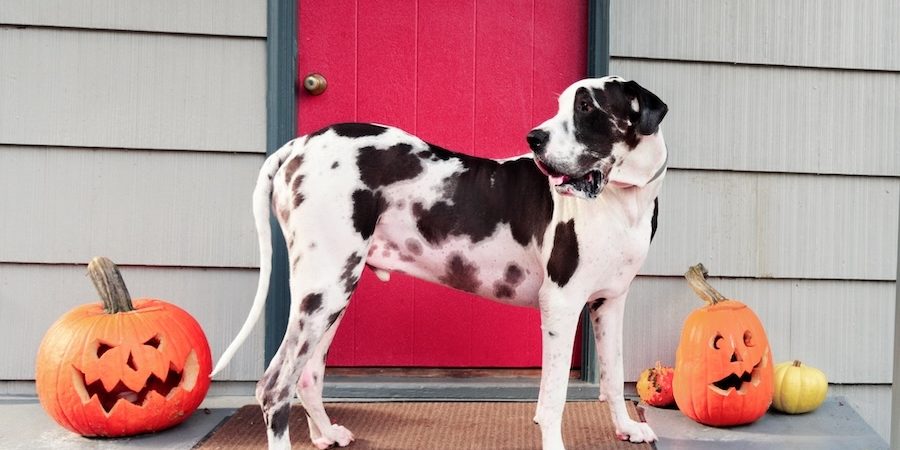
Halloween is a difficult night to be a dog. The doorbell rings for three straight hours, strangers in masks crowd the porch, and even easygoing pets can react with teeth. Children visiting friends and family, guests at costume parties, and trick-or-treaters standing at the door are the ones within reach when it happens. Illinois gives bite victims some of the strongest protections in the country, and knowing what the law provides helps a parent act quickly and correctly in a frightening moment.
Why Halloween Brings Out Bites
Dogs read the world through routine, and Halloween breaks every routine at once. Costumes hide faces and change silhouettes. Masks block the facial cues dogs rely on. A steady stream of shrieking visitors keeps a dog in a state of alarm from dusk until bedtime. Add open doors, and a stressed dog has both the trigger and the opportunity.
The setting is usually familiar, which is part of what makes these cases hard on families. Most bites involve a dog the victim knows, at the home of a friend, a relative, or a neighbor. Pursuing compensation can feel like accusing someone close to you. Illinois law handles that tension better than most people expect, because the claim typically runs against a homeowner’s or renter’s insurance policy rather than the owner personally.
Illinois Holds Dog Owners Strictly Liable
Illinois does not give dogs a free first bite. Under the Illinois Animal Control Act, 510 ILCS 5/16, an owner is liable in civil damages for the full amount of the injury proximately caused when a dog or other animal, without provocation, attacks, attempts to attack, or injures any person who is peaceably conducting himself or herself in any place where he or she may lawfully be. The victim does not need to prove the owner was careless or that the dog had ever shown aggression before.
Each element fits the Halloween setting. A trick-or-treater walking up to a lit porch, a child invited to a relative’s party, and a guest inside a friend’s apartment are all lawfully present, peaceably conducting himself or herself. The main defense the Act leaves open is provocation, so expect an insurer to ask whether anyone teased, cornered, or startled the dog. A costume alone is not provocation, and Illinois courts evaluate provocation based on the circumstances, which is one reason witness accounts from the scene carry real weight.
What the Claims Data Shows
Dog bite claims are common, expensive, and rising, according to the insurance industry’s own numbers.
- U.S. insurers paid $1.57 billion in dog-related injury claims in 2024, according to the Insurance Information Institute and State Farm.
- Insurers handled 22,658 dog bite and related injury claims nationwide in 2024, an increase of nearly 19% over 2023.
- The average claim cost reached $69,272 in 2024, up from $58,545 the year before.
Those averages reflect what serious bites actually involve: emergency care, plastic surgery for facial wounds, infection treatment, and counseling for children left afraid of dogs. A bite that looks small at the door can carry costs that follow a family for years.
What a Parent Should Do After a Bite
The first hour after a bite shapes both the medical outcome and any claim that follows.
- Wash the wound with soap and water and seek medical care promptly, since bite wounds infect easily.
- Identify the dog and its owner before leaving, including the address where the bite happened.
- Ask for proof of the dog’s rabies vaccination, and get the owner’s contact information either way.
- Report the bite to animal control for the jurisdiction where it happened, such as Joliet Township Animal Control or Will County Animal Control, which triggers the observation requirements under the Animal Control Act.
- Photograph the injuries, the location, and the dog if it can be done safely.
- Avoid giving a recorded statement to any insurance company before speaking with an attorney.
Reporting feels harsh when the dog belongs to family or friends. It protects your child’s health first, and it creates the official record a claim needs if the injuries turn out worse than they first appeared.
Who Actually Pays, and How Long You Have
Dog bite claims are usually paid by the homeowner’s or renter’s insurance covering the property where the bite occurred, not out of the owner’s pocket. That is worth remembering when the owner is someone you care about, because pursuing the claim is in most cases an insurance matter rather than a personal one.
The deadline comes from the Illinois Code of Civil Procedure, 735 ILCS 5/13-202, which generally gives an injured person two years from the date of the bite to file suit. Claims for injured children work differently, and an attorney can explain how the timeline applies to a minor’s case. Waiting costs evidence either way, since wounds heal, witnesses scatter, and memories of a chaotic night fade.
Contacto Briskman Briskman & Greenberg
If a dog bit you or your child this Halloween, whether at a friend’s home, a relative’s apartment, or a stranger’s front porch, Briskman Briskman & Greenberg can help you understand your rights under the Illinois Animal Control Act. Contact us at (312) 222-0010 for a free consultation. Our office is located at 205 W. Randolph Street, Suite 925, Chicago, IL 60606.
Disclaimer: You may still be responsible for case costs and expenses even though the firm does not collect an attorney’s fee unless you win, and past results do not guarantee a similar outcome in your case.