Personal Injury Law Blog

Illinois Changes Distracted Driving, Teen Driver Approach to Help Reduce Accidents
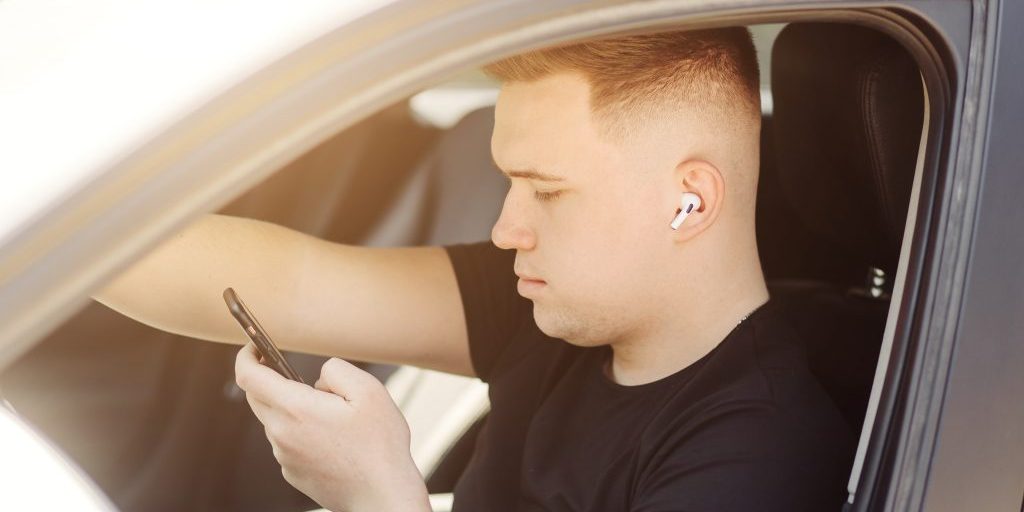
Illinois recently released new programs and regulations to help curb distracted driving. Here’s what’s changing and how you can expect it to impact your commute.
Illinois Launches Distracted Driving Program
In Fall 2024, Illinois launched a new program to encourage awareness of distracted driving risks. The program seeks to help drivers avoid distraction and prevent accidents. Another goal is to encourage local prosecutors to hold drivers accountable when their distractions cause serious injuries or death.
The program includes new educational materials aimed at teen drivers. These materials provide information about the dangers of distracted driving. They will be incorporated into the driving curriculum for teens in Illinois.
Another element of the program, called “One Road, One Focus,” implements safety zones in areas with high rates of distracted driving crashes. The program also encourages lawmakers to offer new grants for local police departments to focus on enforcing Illinois’ cell phone and other distracted driving-related laws.
Finally, the program includes reminders for prosecutors to seek a suspension of a driver’s license for those convicted of causing serious injury or death through distracted driving.
At the launch of the program, Illinois Secretary of State Alexi Giannoulias compared distracted driving to drunk driving, saying “driving with an open phone screen is as dangerous as driving with an open bottle.” Giannoulias noted that distracted driving remains more socially acceptable than drunk driving, a situation the state hopes to influence through the new program.
As the program unfolds, the state and Illinois residents will be watching to see whether it reduces the rate of distracted driving deaths and injuries. These rates have remained steady in Illinois over the past five years, according to data from the National Highway Traffic Safety Administration.
Distracted Driving Risks in Illinois
Driver distraction causes over 1 million crashes in the US and Canada each year. About 3,300 people die in the US annually due to distracted driving, according to the Illinois State Police.
Many things can cause distraction on the road. Listening to the radio, having conversations inside the vehicle, eating, personal grooming, pets, and many other distractions can take a driver’s mind, eyes, or hands off the task of driving – and cause a crash.
Illinois law allows drivers to use cell phones if they use a one-sided headset, earpiece, or voice-activated system. Using a handheld device while driving is not allowed. Teens may not use cell phones behind the wheel, even on a hands-free system, until they are at least 19 years old.
However, NHTSA data reveals that using a hands-free device may not be enough to reduce distracted driving accidents. Between 2022 and 2023, headset use increased 0.5 percent and handheld cell phone use decreased 0.1 percent, yet the number of fatal and injury-causing crashes involving a driver on a cell phone did not decrease. The safest option is to pull over and park the vehicle before making or answering a call, according to the Illinois State Police.
Illinois drivers may use a handheld cell phone only when:
- The driver is reporting an emergency.
- The driver is parked on the shoulder of a roadway.
- The driver is sitting in stopped traffic, such as a traffic jam, and has placed the vehicle in neutral or park.
Drivers have a responsibility to keep their attention on the road. Any distraction that undermines this attention can result in a deadly crash.
What To Do If You’re In an Illinois Roadway Crash
In a crash, put safety first. Move vehicles and people out of the roadway if you can, but do not attempt to move a severely injured person. Use vehicle lights, flares, and other tools to warn oncoming drivers of the crash.
In an emergency, call 911. First responders can provide emergency medical care, secure the scene, and document what happened for future reference.
If you didn’t receive medical care at the scene, see a doctor as soon as possible. A doctor will document your injuries and recommend a course of treatment. Follow the doctor’s instructions to help speed your recovery.
Save your paperwork from doctor’s appointments, vehicle repair shops, and similar appointments and events related to the crash. This paperwork can help you make a full claim for compensation.
Finally, don’t hesitate to talk to an experienced Chicago car accident attorney. The team at Briskman, Briskman & Greenberg can help you understand your legal rights, deal with insurance companies, and secure the compensation you deserve after a serious injury. To learn more, contact us today to schedule a free, confidential consultation.