Personal Injury Law Blog

A Chicagoan’s Guide to Airport and Airline Safety
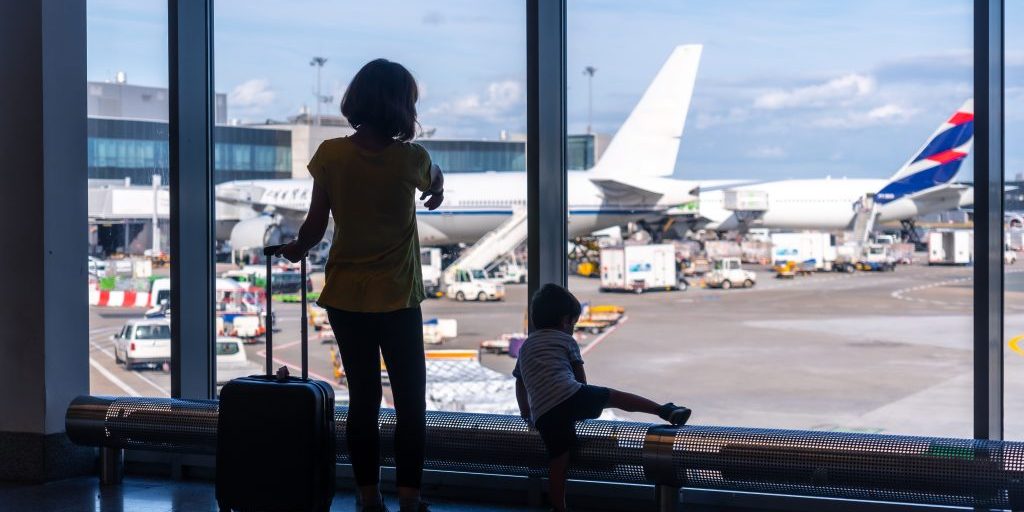
Recent reports of airline accidents in Maryland and Philadelphia have many travelers questioning the safety of air travel.
Statistically, air travel remains one of the safest ways to travel. Air passengers experience fewer deaths and injuries per mile traveled than those who take cars, buses, or trains. Yet serious injuries can and do occur at airports.
For example, a recent accident at Chicago’s O’Hare Airport when a tug vehicle hit an airplane, causing the vehicle to flip. Its driver was seriously injured.
Here, we provide information on safety risks, safety resources, and what to do if you’re injured at an airport or on an airline.
Injury Risks at Chicago’s Airports
Chicago’s O’Hare Airport is one of the largest air hubs in the United States. Midway Airport shares airline duties within the “world’s busiest square mile.”
While both airports work to operate smoothly and safely, injuries can occur. Common injury risks at airports include:
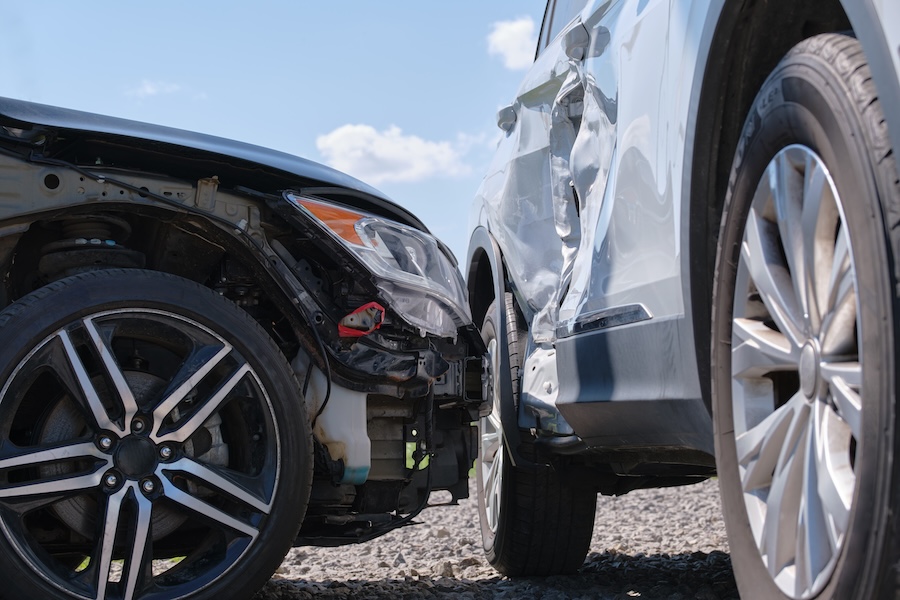
- Traffic collisions and injuries. Dropoff and pickup lanes can be especially busy. Drivers may be distracted and confused. Pedestrians loading or unloading luggage, looking for rides or loved ones, or trying to get where they’re going can add to the confusion. In these conditions, traffic collisions and injuries become a serious risk.
- Slips, trips, and falls. Travelers can slip, trip, or fall in many places in an airport. Spills or melted snow tracked into the terminal, luggage sitting in a walkway, distracted travelers, and other hazards can cause a slip, trip, or fall. These accidents can cause serious injuries.
- Sprains, strains, and other injuries. Lifting bags to carry them through the airport, move them onto an escalator or elevator, or place them in an overhead bin can all result in injuries. For airport and airline employees, repetitive strain injuries from handling baggage and other essential items can occur as well.
- Hidden defects. Whether it’s a serious issue with the airplane or a loose bolt in a terminal seat, a hidden defect can result in injuries – and travelers might not know about the risk until it’s too late.
Other serious injuries can occur at airports or in air travel as well. The negligent or intentional behavior of other passengers or airline/airport staff may cause harm, as can other forms of carelessness.
Safety Resources at Chicago Airports
O’Hare International Airport has its own internal emergency number: 733-894-9111. Travelers can call this number for emergency assistance after any kind of accident or injury.
The Chicago Department of Aviation also offers an online Safety and Emergency Management Report Form. This form allows airport employees to file safety or emergency management reports. The CDA works to keep reporting employees’ identities confidential. The form can be used to report a safety risk before or after an injury occurs.
What To Do If You’re Injured in an Airport or Airline Accident
If you’re injured at an airport or on an airplane, you can take steps to protect your safety, health, and legal rights.
For Employees
If you’re injured while working at an airport or for an airline, start by notifying your employer about your injuries. This notification starts the workers’ compensation process.
Get medical attention as soon as possible. In an emergency, call 911. For non-emergency injuries, ask your employer for a list of doctors approved by workers’ compensation. Arrange to see one of these doctors as soon as you can.
Keep copies of your notes from doctor’s appointments and any bills or receipts for medical care. These play an important role in both a workers’ compensation claim and any additional injury case.
Finally, talk to an experienced attorney for help navigating workers’ compensation, a separate injury case, or both.
For Travelers and Visitors
In an accident, think safety first. Move to a safe area if you can, but don’t move a critically injured person. Call 911 or contact emergency services within the airport, if possible.
Get medical attention as soon as you can. If you don’t receive emergency care, schedule an appointment with your doctor, visit an urgent care clinic, or go to the emergency room.
Save copies of paperwork from your doctor, accident reports, and similar info. You can use this information to help establish a claim for compensation if your injuries were caused by another’s negligence.
Finally, reach out to a dedicated Chicago injury lawyer.
The team at Briskman, Briskman & Greenberg is here to help those injured at Chicago’s airports. To learn more, contact us to schedule a free and confidential case evaluation.