Personal Injury Law Blog

Cardiovascular Events That Can Happen Around the Holidays
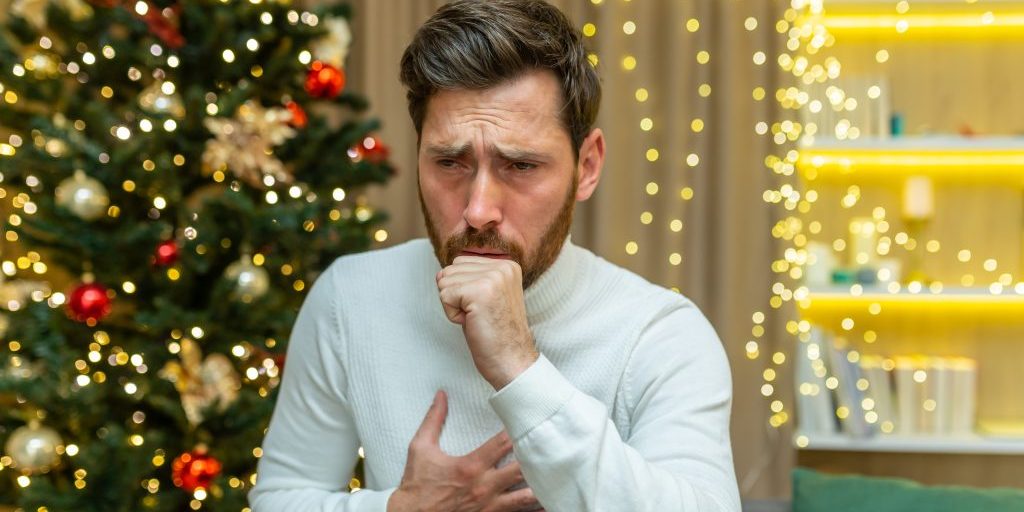
The winter holidays bring travel, cold weather, rich meals, busy schedules, and alcohol, and that mix can put extra strain on the heart and blood vessels. Hospitals see predictable spikes in cardiac emergencies in late December, and families sometimes downplay warning signs or wait until morning.
Heart-related emergencies often increase during the holidays for a mix of reasons, from cold weather to stress and overindulgence. Understanding what drives these risks, recognizing warning signs, and knowing what to do in an emergency can make all the difference.
Why Heart Risks Climb in Late December
Risk increases for several reasons that tend to accumulate during the holidays. Colder temperatures make the heart work harder, travel disrupts routines and medications, parties lead to heavier eating and drinking, and many people hesitate to go to the emergency room. Extensive studies show more heart attack deaths during Christmas and New Year’s, and population data confirms how common heart attacks are throughout the year. When you understand these patterns, you are more likely to act quickly instead of hoping symptoms pass. Treat the season as a higher-risk window, and give your family a plan.
Here are a few data points that put the season in context. A Swedish analysis reported a 37 percent jump in heart attacks on December 24 and an overall increase during the winter holidays. The Centers for Disease Control and Prevention estimates about 805,000 heart attacks occur in the United States each year, or roughly one every 40 seconds.
Research summarized by the American College of Cardiology links short cold spells with higher heart attack hospitalizations two to six days later. Strokes may also increase in winter, which is particularly important because treatment is time-sensitive. These statistics are not meant to scare anyone. They serve as reminders to pay attention and to seek help when something feels amiss.
Signs to Look Out for a Heart Attack
Heart attack symptoms are not always dramatic, and holiday meals can make chest discomfort feel like simple indigestion. Reviewing common signs with your family helps everyone recognize trouble and respond quickly. Read this list together before events begin, and agree that anyone can speak up if they notice a problem.
- Chest pressure or pain that feels like tightness, fullness, or heaviness and lasts more than a few minutes or comes and goes;
- Discomfort in the arms, back, neck, jaw, or upper stomach that appears with chest pressure or shortness of breath;
- Shortness of breath, sweating, nausea, or lightheadedness that may occur with or without chest pain and can be more prominent in older adults and those with diabetes; and
- Atypical symptoms such as fatigue or upper-abdominal discomfort that does not improve, which can be more common in women and older adults.
If these signs appear, call 911, have the person sit or lie down, and avoid driving yourself to the hospital. Ending the list here, remember that minutes matter and early treatment limits heart damage.
What to Do if Someone Collapses and Has a Stroke
Strokes also tend to surge in winter, and family gatherings can conceal subtle warning signs. Quick action can reduce disability, and specific treatments for ischemic stroke must be given within hours. A simple checklist keeps everyone focused and gives the person the best chance to recover.
- Use F.A.S.T. Face drooping, Arm weakness, Speech difficulty, Time to call 911. If any sign is present, act immediately.
- Call 911. Note the time symptoms began or the last time the person was known to be well, since treatment decisions depend on that clock.
- Start hands-only CPR. Push hard and fast in the center of the chest at 100 to 120 compressions per minute until help arrives.
- Avoid food, drink, or medicine unless a clinician directs you. Decisions regarding swallowing and blood thinning should be handled by professionals.
Once the ambulance is on the way, clear a path, gather any available medications, and be ready to tell the paramedics when the symptoms started.
Common Myths Around Incidents Requiring an ER Visit
Families often talk themselves out of going to the emergency room during the holidays, and a few common myths resurface repeatedly. Naming these myths now makes it easier to ignore them when stress is high. Discuss them with relatives so everyone is on the same page before a problem arises.
- “It is only indigestion from a big meal.” Heart attack pain can mimic heartburn. If discomfort is new, intense, or paired with shortness of breath or sweating, call 911.
- “I will see how it feels in the morning.” Waiting overnight can turn a treatable emergency into lasting damage. Getting evaluated now is safer than hoping symptoms fade.
- “Cold air caused the chest pain, so it will pass.” Cold snaps have been linked with more heart attack hospitalizations in the following days, which means symptoms deserve prompt care.
- “I should drive to save time.” Calling 911 is faster and safer because paramedics can initiate care en route and alert the hospital to prepare.
Myths may feel comforting in the moment, yet they can deprive the heart or brain of the oxygen it needs to function properly. Ending the list here, promise your family that you will err on the side of calling for help rather than waiting.
Where Legal Help Can Fit After a Medical Emergency
Most holiday cardiac events are medical issues only. However, in some situations, these events can be the result of negligence. If negligence or a preventable mistake made your injury worse or caused a fatalityy you should contact an experienced Chicago attorney. The medical malpractice lawyers at Briskman Briskman & Greenberg can evaluate what happened and fight for the compensation you deserve.