


Nuestros abogados
Características comunes de las razas peligrosas
Any dog can bite or attack, and any dog can cause injuries. Even a quick look at dog breeds, however, demonstrates that some breeds can cause more damage than others.
La combinación de las cualidades innatas de los perros y su adiestramiento puede hacer que algunas razas son más peligrosas que otras. Dog breeds are associated with certain common traits. For example, Labradors have a keen sense of smell, while German Shepherds are known for their intelligence. Some dog breeds, such as pit bulls, can have more aggressive tendencies. Understanding the common characteristics of dangerous breeds can help minimize the risk of dog bites and dog attacks.
What Makes a Dog Dangerous?
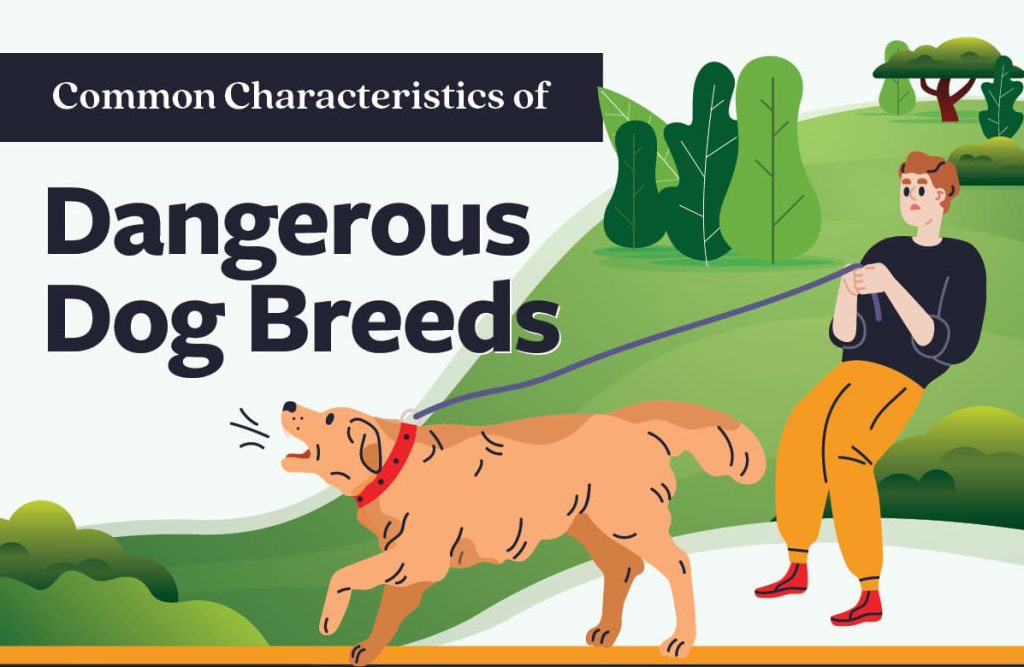
Three qualities combine to affect how dangerous a dog’s attack is:
- The dog’s size and strength. Large dogs with a strong bite can cause more damage more quickly than small dogs with smaller jaws. Even an adult human may be quickly overpowered by some of the strongest, largest dog breeds. However, don’t discount small dogs – even the smallest breeds have jaws and teeth that can do serious damage.
- The dog’s training. In the wild, dogs live in a social hierarchy. They look to their leader for instructions and approval. Humans have used this natural tendency to train dogs for many purposes. However, this tendency is a double-edged sword: a dog may be trained to tolerate and obey humans, or it may be trained to act aggressively. Dogs that are trained to fight pose a greater danger. A dog with little or no training must rely on its own instincts, which can also lead to serious injuries.
- The dog’s innate characteristics. Over the centuries, humans have bred dogs to perform dozens of different tasks. These range from digging (terriers) to retrieving prey (retrievers) to being cuddly companions (spaniels). Some dogs have been bred to be vigilant and act quickly when they sense danger; German shepherds and Rottweilers fall in this category. The innate characteristics of the dog’s breed affect how it responds in an unfamiliar situation – including the likelihood that it will attack or bite.
These characteristics all interact with one another. An experienced trainer, for instance, can teach a dog and its owners how to manage a dog whose breed makes it innately aggressive, suspicious, or stubborn. A dog whose breed tends to be more laid-back may become more likely to bite if lack of training or prior maltreatment leaves the dog confused or scared when strangers approach.
While some dog breeds are more commonly identified as dangerous, a study of dog attacks in Berlin found that “a dog’s breed is not identical with the dangerousness of an individual dog.” A similar study, published in 2019, found that training reduces a wide range of behavioral problems in dogs.
With proper training, dogs typically:
- Jump on their owners and other people less often – reducing the risk that the dog will knock a person over, scratch them, or cause other injuries.
- Pull on their leash when out in public – reducing the risk that the dog will break the leash or escape their owner’s control, which increases the risk the dog will cause injuries.
- Obey commands promptly – increasing an owner’s ability to control the dog’s behavior before it results in injuries.
The study found that training reduces other undesirable dog behaviors as well, such as relieving themselves indoors.
Owners can take additional precautions. Always walking a dog on a leash, installing secure fencing, and keeping the dog away from new visitors can help prevent injuries.
Tipos de razas peligrosas
Dog breeds more likely to bite or attack others are comúnmente identificados como peligrosos. Los pit bulls, rottweilers, pastores alemanes, akitas, huskies, chows e híbridos de lobo suelen entrar en esta categoría.
Los pit bulls y los rottweilers tienen fama de ser las dos razas de perros más peligrosas. Juntas son responsables del 76% de los ataques mortales de perros en Estados Unidos. Se sabe que los pit bulls atacan tanto a niños como a adultos, a menudo sin previo aviso. Aunque los pit bulls representaban sólo el 6% de los perros de todo el país, fueron responsables del 65% de las muertes relacionadas con perros entre 2005 y 2020.
German Shepherds are also among the dog breeds most likely to attack. Their protective nature as guard dogs can lead them to hurt others without the intention to cause harm. While German Shepherds are trainable, they can have separation anxiety and possessiveness issues. Mastiffs are also often used as guard dogs. Given their powerful body, the force of a bite can result in serious injuries.
Wolf hybrids such as huskies are another dangerous dog breed. Because they cannot be easily domesticated like other breeds, these dogs can pose a threat without proper training. They can be aggressive and possessive when seeking to establish their dominance.
Características comunes de las razas peligrosas
Dangerous dog breeds share certain general characteristics. In terms of physical build, they have the potential to cause serious injuries due to their large size, agility, muscular legs, and powerful jaws. Rottweilers and Doberman Pinschers, for example, can weigh 75 pounds or more as adults.
Dangerous dog breeds can also be stubborn and independent, as well as untrustworthy with other dogs. Many dogs identified as dangerous breeds were historically bred for fighting, guarding, and hunting. Pit bulls and other game dogs were prized for their high prey drive, which allowed them to excel in blood sports.
Algunos de los perros más peligrosos pueden ser compañeros leales, lo que demuestra que son razas populares para la domesticación. Aunque la tendencia a pelear se ha eliminado de muchos perros, sigue presente en otros, ya sea involuntariamente o a propósito. Además de las características físicas, el adiestramiento también influye en la peligrosidad de un perro. Por desgracia, algunos propietarios siguen adiestrando a sus perros para que sean agresivos e incluso para que se peleen.
Muchas personas cuestionan la suposición de que algunas razas de perros son más peligrosas que otras. Es importante recordar que, aunque algunos perros parezcan más agresivos, no hay por qué temer a toda una raza.
Cada perro tiene una personalidad única. Incluso perros no criados tradicionalmente para comportamientos agresivos, como los Golden Retriever, han sido responsables de ataques mortales. Además, sus acciones pueden ser malinterpretadas como una amenaza, independientemente de la raza del perro.
Consejos de seguridad para prevenir las mordeduras de perro
People who live or work around dogs can take precautions to reduce the risk of dog bites. Here are some steps pet owners and others can take to prevent dog attacks that cause painful injuries:
- Socialize your dog: Regularly introducing your dog to other people and animals can help it feel at ease in different situations. Socialize puppies in a safe, non-threatening environment, making sure they have positive interactions with others.
- Be a responsible dog owner: Make sure to use a leash in public so that your dog does not get out of your control. Start training your dog as soon as possible and ensure it gets regular exercise. With proper training, even a dangerous dog breed can grow up to be well-behaved.
- Avoid risky situations: Do not disturb dogs that are playing with a toy, growling, sleeping, eating or caring for puppies. Otherwise, they could be provoked into attacking.
- Recognize a dog’s body language: A dog’s vocalizations and behaviors can give helpful clues about their feelings. Watch for any signs that indicate the dog is feeling frightened, stressed or threatened.
- Do not approach an unfamiliar dog: Avoid petting a dog if its owner is not around. If an unfamiliar dog approaches you, do not run, panic or make loud noises. Refrain from making direct eye contact with the dog. Wait for it to pass or slowly back away.
- Be extra cautious with children: Do not let small children play with a dog unsupervised, even when visiting someone’s home.
According to the Centers for Disease Control and Prevention, the rate of dog bite injuries is highest for children ages 5 to 9. In general, dog attacks on children are more common because they cannot identify warning signs.
It’s important to remember that, while proper training can reduce the risk of dog bites and attacks, it does not eliminate that risk. Even the most well-trained dog will defend itself if it feels threatened.
What dogs define as “threatening” may differ from what humans consider threatening. For instance, a human may simply want to pet a dog’s cute puppies – but the dog may fear that the human will cause harm to the puppies. Acting instinctually to protect the puppies in that moment, the dog may bite.
Póngase en contacto con un abogado de mordedura de perro en Briskman Briskman & Greenberg
Dog bites can cause severe injuries, ongoing pain, and dangerous secondary infections. In rare cases, a dog bite can prove fatal. Those who experience dog bites must live with both the physical damage and the psychological trauma.
Si usted o un ser querido ha resultado herido por la mordedura de un perro, contacto Briskman Briskman & Greenberg de inmediato. Nuestra abogados expertos en mordeduras de perro Chicago puede ayudarle a obtener una indemnización por sus facturas médicas, salarios perdidos y otros gastos relacionados.





VISTO EN:







