Blog de Derecho de lesiones personales

Riding Bikes Around Chicago to Offset Recent Gas Prices
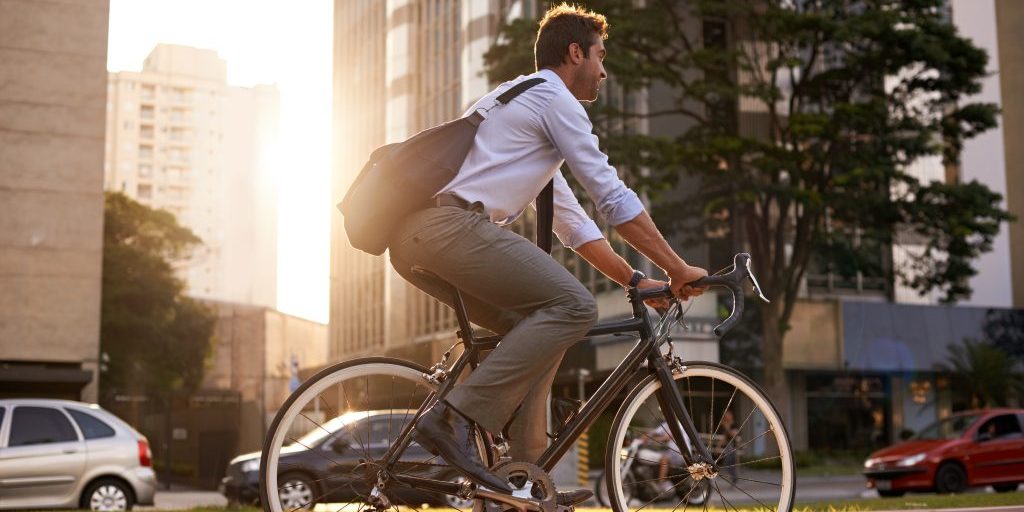
Rising gas prices have pushed many Chicagoans to rethink how they get around. The average price of regular fuel in the Chicago metro area was approximately $4.43 per gallon in early April, according to AAA data. With prices climbing steadily, a growing number of residents have turned to biking as a practical, lower-cost alternative to driving.
Not only are bikes a sustainable choice, but they also require minimal upkeep and work well for the short, neighborhood-based trips that make up much of daily travel in Chicago. The city’s recent data shows that a surge in biking is well underway, with Chicagoans doubling the number of bike trips taken within a five-year span.
The Shift to Biking in Chicago
Chicago has seen a dramatic rise in biking over the past several years, outpacing the country’s largest cities. According to a study by the Chicago Department of Transportation (CDOT) and analytics firm Replica, and transportation firm Sam Schwartz, the number of weekday bicycle trips grew by 119 percent between fall 2019 and spring 2023.
Longer cross-town journeys led the way with a 180 percent increase, while shorter neighborhood trips grew by 113 percent. The pattern held across income levels, racial demographics and communities throughout the city.
The financial appeal of biking is easy to see. Owning and operating a car in Chicago can quickly add up, from parking and gas costs to insurance and maintenance expenses. For commuters whose trips are short enough to be covered by biking, the savings over the course of a year can be meaningful.
Regular biking also carries well-established health benefits, including improved heart health, lower stress levels, and a reduced risk of chronic illness. It is one of the few ways to spend less on commuting while also doing something good for your body.
Risks Associated with Biking
With increased biking, there is also a greater risk of accidents on busy city roads. According to the most recently available data, bicycle accidents rose 46 percent between 2022 and 2025, with 8,389 cyclists struck on Chicago streets. Nearly one in three crashes involved a driver who left the scene. Chicago recorded 6,248 total bike injuries during that four-year period. The injuries that result from bicycle accidents vary widely in severity, and common ones include:
- Lacerations and bruises
- Huesos rotos y fracturas
- Lesiones en la cabeza from collisions with vehicles or fixed objects
- Road rash and soft tissue damage due to falls
Non-incapacitating bike injuries surged nearly 40 percent from 2022 to 2025. These injuries are serious enough to require medical treatment and time off work for recovery.
Among drivers, failure to yield is one of the top causes of preventable bicycle accidents, followed by not reducing speed, disregarding traffic signals, and improper turning. Intersections are consistently dangerous because drivers turn without checking for cyclists in their path.
Injuries can also occur due to rough pavement and potholes, which can cause a rider to lose their balance and fall without warning. Shared paths become hazardous when pedestrian and cyclist traffic peaks during warmer months. Dooring, when a parked driver swings a car door open into an oncoming cyclist, is another well-known hazard on Chicago streets.
Safety Measures for Cyclists
Both drivers and cyclists can take steps to help keep everyone safe on city roads. A few consistent habits can go a long way:
- Wearing helmets: Article XV of the Illinois Vehicle Code, which governs bicycle operation in Illinois, does not impose a statewide helmet requirement. Under Chicago’s Municipal Code (Title 9), cyclists of any age are not legally required to wear helmets, although safety officials have strongly recommended them. The law currently states that when riding at night, bicycles should emit a head lamp emitting white light and have a rear red reflector.
- Following traffic rules: En virtud de la Illinois Vehicle Code (625 ILCS 5), cyclists on public roads have the same rights and responsibilities as drivers of motor vehicles, with some bicycle-specific exceptions. That means obeying traffic lights, signaling turns, and riding in the same direction as traffic are all legal requirements, not optional. Drivers, for their part, are required to give cyclists at least three feet of clearance when passing.
- Staying visible: En 625 ILCS 5/11-1507, Illinois requires bicycles operated after dark to be equipped with a white front lamp visible from at least 500 feet and a rear red reflector visible from 100 to 600 feet. During daylight hours, bright and reflective clothing helps drivers spot cyclists sooner, particularly at busy intersections and when lanes merge.
- Using designated bike lanes: CDOT completed roughly 55 miles of bike infrastructure in 2023 alone, including 27 miles of protected lanes and 18 miles of new greenways. Staying within protected lanes wherever they exist puts a physical barrier between cyclists and moving vehicle traffic.
Community Support and Resources
Chicago has a strong network of organizations and city programs working to make biking safer and more accessible. The Alianza para el Transporte Activo is the city’s leading nonprofit advocate for cyclists and pedestrians, pushing for policy changes that prioritize road safety. The group has been a vocal force behind recent efforts to reduce Chicago’s default speed limit.
On the city side, CDOT’s Bike Chicago program distributes free bicycles and safety equipment to income-eligible residents, with a particular focus on neighborhoods that have historically had fewer transportation options. Since its launch in 2022, the program has distributed over 2,000 bicycles. The department’s SAFE Ambassadors program offers free learn-to-ride classes and traffic safety workshops for adults and children throughout the summer, helping cyclists of all experience levels navigate Chicago streets safely and confidently.
Contact Briskman Briskman & Greenberg After a Bicycle Accident
Biking is a sensible response to rising gas prices, and many people enjoy the health benefits and convenience it provides. Chicago continues to invest in bike infrastructure, making it a safer option for everyone. Even so, a protected bike lane and a helmet can’t shield a rider from a driver who is distracted, speeding or not paying attention.
If you have been injured in a bicycle accident, the Chicago personal injury attorneys at Briskman Briskman & Greenberg are here to help. Contact us today at (312) 222-0010 para una consulta gratuita.
Disclaimer: The information provided in this article is for educational purposes only and does not constitute legal advice. For advice specific to your situation, please consult a qualified attorney.