
Blog de Derecho de lesiones personales

Holiday Shopping, Snow, and Storefront Falls in Chicago
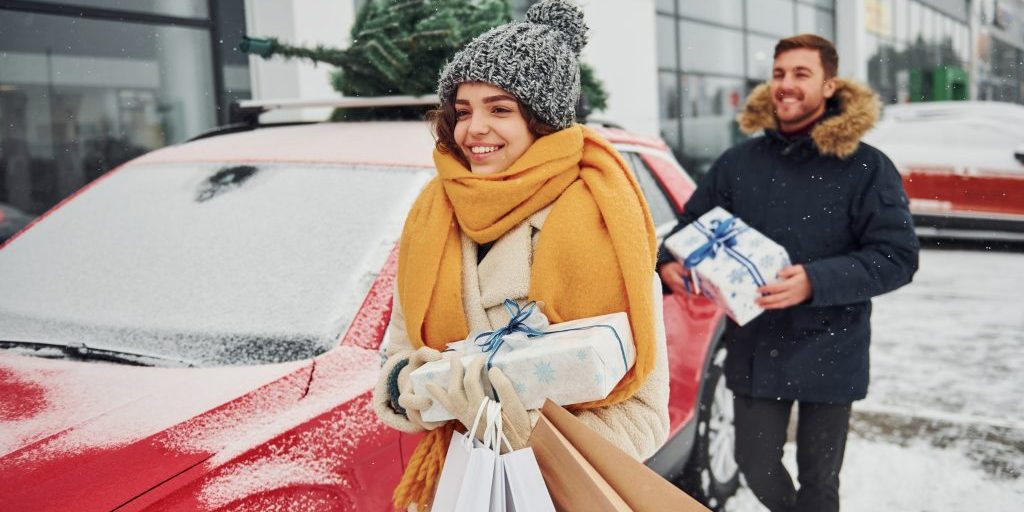
As the holidays approach, many shoppers might experience crowded sidewalks, icy parking lots, and slushy storefronts. These types of conditions create more than discomfort and inconvenience. These preventable situations can lead to serious falls that can result in emergency room visits and lifelong trauma.
Chicago property owners may be legally responsible when winter hazards on their property stop being “just bad weather” and turn into unreasonably dangerous conditions. Liability often arises when a business knows or should know of snow, ice, or water in a high-traffic area and fails to salt, clear, or warn, or when property design or removal efforts create an unnatural buildup that increases the likelihood of a fall.
How Winter Shopping Trips Turn Into Serious Storefront Falls
Busy malls, neighborhood shops, and grocery stores draw heavy foot traffic from Thanksgiving through New Year’s. At the same time, Chicago winter brings snow, freezing rain, and steep temperature swings. That combination creates slick sidewalks, icy parking lots, and wet tile floors, making them widespread problems.
- Across the country, more than 1 million people visit urgent care centers or emergency rooms each year after slip-and-fall injuries, and winter weather plays a significant role in many of those visits.
- On the job, the Bureau of Labor Statistics reports over 13,000 snow or ice-related injuries annually, showing how often frozen ground leads to serious harm rather than a harmless stumble.
- In Chicago, doctors see the same surge whenever sidewalks glaze over. During a recent cold spell, local coverage, including CBS Chicago, noted that hospitals such as Northwestern Memorial and Rush treated dozens of patients in a single day after falls on icy, uncleared steps and walkways.
- Older adults face a particularly high risk, since federal health data show that about one in four Americans over sixty-five reports a fall each year, and falls remain the leading cause of injury for that age group.
These numbers matter when you load shopping bags into a car at a strip mall or hurry into a department store from a snowy sidewalk. A property owner who ignores repeated slick spots near a door, allows refreezing puddles to form where customers must walk, or positions holiday displays so that cords cross aisles can turn a simple trip for gifts into a serious injury. Understanding how these hazards develop helps you see when a winter fall might be more than “just an accident.”
When Chicago Property Owners May Be Responsible For Snow And Ice Injuries
Illinois law does not make every business responsible for every winter fall. Liability often arises when a business fails to address how snow and ice accumulate on the ground, instead leaving them where they fall.
Courts often apply the “natural accumulation” rule, which holds that owners generally do not owe a duty to remove natural accumulations of snow or ice that result from ordinary weather. That rule means a person who slips on untouched, freshly fallen snow in a parking lot may not have a claim against the owner simply because the storm just ended.
Chicago’s municipal code also expects owners, tenants, and managers to clear a five-foot path of snow and ice on sidewalks adjacent to their properties by set deadlines, usually by late evening or the next morning, depending on when the snowfall ends. Examples of adjusting the snow on the property include:
- Plows may push snow into banks that melt across a sidewalk and then freeze overnight.
- Gutters or downspouts can direct water onto walking areas, where it can form a slick sheet.
- Cracked or sunken pavement can collect runoff that later freezes into a nearly invisible patch.
- Courts often treat these kinds of buildups as “unnatural accumulations” created by the way the property is designed or maintained, rather than by ordinary winter weather alone.
Businesses must either remove ice or treat it with sand or a similar material when it is bonded to the pavement to reduce the risk of slips.
How Chicago Storefront and Parking Lot Falls Become Premises Liability Cases
Local rules do not automatically create civil liability in every situation, but they can support an argument that a property owner failed to act reasonably when a storefront or sidewalk remains hazardous long after a storm passes.
When a business is:
- Aware of a recurring slick area near an entrance,
- Receives complaints about falls,
- Observes employees nearly slipping in the same place yet fails to address the problem,
- That lack of action can support a reclamación por responsabilidad de los locales.
The key questions often involve what the owner knew, how long the hazard existed, whether reasonable steps were taken, and whether the property’s design or maintenance exacerbated the conditions beyond those of ordinary winter weather.
What To Do After A Holiday Storefront Or Parking Lot Fall
A winter fall during a shopping trip can feel embarrassing at the moment, but those incidents often cause serious harm. Many people walk away thinking they feel fine, then later discover fractures, neck injurieso head trauma. Taking a few careful steps right after the fall helps protect both health and legal rights.
- Medical evaluation needs to come first. Visit the emergency rooms (ER) or an urgent care center and follow up with a primary care provider or specialist.
- Seek care promptly if you experience pain, dizziness, confusion, swelling, or difficulty walking.
- Tell the provider exactly where and how you fell, including details about the surface, lighting, and any visible ice, water, or snow.
- Clear information helps doctors connect symptoms to the incident and rule out conditions such as concussions or internal injuries.
- After urgent medical needs receive attention, try to document what happened.
- Photos or videos of the area where you slipped can capture ice, slush, puddles, torn mats, or scattered debris.
- Images that show lighting, warning cones, or the lack of any caution signs provide essential context.
- If possible, keep the shoes and clothing you wore in the same condition, since owners sometimes claim that inappropriate footwear caused a fall.
Ask witnesses for their contact information and report the incident to store management, requesting a copy of any incident form that may have been completed. Finally, avoid long, casual conversations with insurance representatives before you have had time to talk with a top-rated holiday fall injury attorney. These actions provide any future attorney with the necessary information to assess whether the conditions on the property likely crossed the line from natural winter hazards to legal negligence.
How Briskman Briskman & Greenberg Can Help After A Local Storefront Fall in a Parking Lot
Holiday outings should end with packages in the trunk and a warm ride home, not a stretcher and months of physical therapy. When a fall outside of a store, inside a mall, or in a parking lot around Chicago leaves you injured, Briskman Briskman & Greenberg can review what happened and explain whether the property owner may be held responsible.
The firm handles a wide range of personal injury matters, including slip-and-fall cases, and understands how Illinois rules on natural and unnatural accumulation, local snow-removal ordinances, and commercial maintenance practices interact. The legal team can gather photos, incident reports, surveillance footage, medical records, and expert opinions to build a clear picture of how unsafe conditions contributed to the fall. While the lawyers deal with insurers and property owners, you can focus on treatment, recovery, and getting daily life back on track.
If a holiday shopping trip in Chicago or a nearby suburb ends with a serious fall on snow, ice, or wet flooring, consider contacting Briskman Briskman & Greenberg for a free consultation. A conversation with an experienced personal injury lawyer can help you understand your options, protect necessary evidence, and pursue fair compensation for medical costs, lost wages, and the impact the injury has on your life.


