Blog de Derecho de lesiones personales

Unseen trauma can be as dangerous for children as physical injuries after a car accident
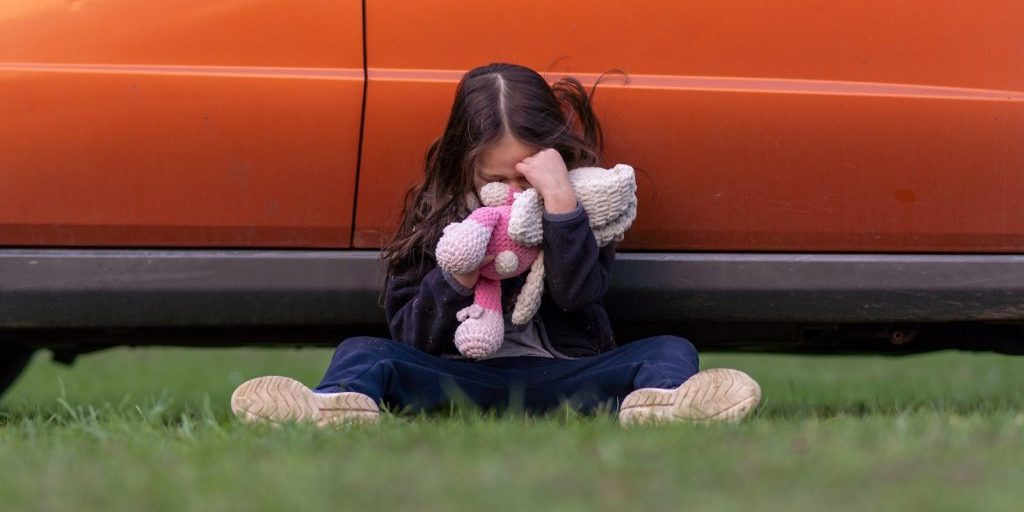
Car accidents are traumatic events for anyone, but when children are involved, the emotional and psychological consequences can be particularly profound. In a city like Chicago, where busy streets and frequent crashes are an unfortunate reality, families must deal with the aftermath—often long after the physical wounds have healed. As parents and caregivers, recognizing the signs of psychological trauma and knowing how to support your child is critical for their well-being.
Why Are Children Especially Vulnerable to Trauma After a Car Accident?
Children process traumatic events differently from adults. Their minds are still developing, and they may not have the words or emotional tools to articulate their fears and anxieties. After a car accident, a child might appear physically unharmed but struggle internally with a wide range of emotional symptoms. For many families in Chicago, the invisible injuries—namely, psychological trauma—can be the most challenging aspect of recovery.
Nuestra Chicago abogados accidente de coche have seen firsthand how children may develop intense fears of riding in cars, experience nightmares, or become withdrawn. Some children regress to earlier behaviors, such as bedwetting or clinging to a parent. Others may display increased irritability or problems with concentration, which can impact school performance and relationships with peers. The uncertainty and loss of control during and after a collision can shake a child’s sense of safety in the world.
Common Symptoms and Warning Signs
Psychological trauma in children after an auto accident often manifests in subtle ways. If your child was involved in a wreck, you may notice:
- Sleep disturbances, including nightmares or trouble falling asleep
- Sudden fears of traveling by car or being separated from a caregiver
- Increased irritability, mood swings, or aggression
- Changes in appetite
- Lack of interest in activities they once enjoyed
- Physical complaints, like headaches or stomachaches, that do not have a clear medical cause
- Withdrawal from friends or family
It’s important for parents, teachers, and caregivers to stay alert to these changes, especially in the weeks or months following the incident. Sometimes trauma can surface long after the immediate event, making it essential to keep open lines of communication and provide reassurance.
The Role of Medical Attention and Professional Support
After a car accident, a medical evaluation is crucial—even if your child seems unharmed. Hidden injuries, such as concussions or soft tissue damage, can easily be missed without a thorough checkup. The concussions and traumatic brain injuries in children page highlights the importance of prompt care, as head injuries often have delayed symptoms that can significantly affect both physical and mental health.
Similarly, emotional trauma should be addressed by a mental health professional with experience treating children. Early intervention can prevent long-term issues such as post-traumatic stress disorder (PTSD), anxiety, or depression. Treatment may include age-appropriate therapy, play-based interventions, and parental counseling. For those with physical symptoms, the whiplash and soft tissue injuries in children page offers more insight into how even non-visible injuries can contribute to emotional distress.
How Car Seat Injuries and Safety Factors Play a Role
Proper use of child car seats is a crucial safety factor in preventing both physical and psychological harm. However, even when a car seat is used correctly, children can still suffer injuries during an accident, contributing to trauma. The child car seat injuries page points out how certain injuries, while not always life-threatening, can be frightening and confusing for young children—especially when they occur in the context of a crash.
The shock of the impact, the sounds of emergency responders, and the confusion that follows can all leave a lasting impression. This is why, after any collision involving children, families should not only focus on physical injuries but also pay close attention to emotional responses. It’s not uncommon for a child to have trouble trusting that they are safe in a car again, even if their injuries were minor.
Seeking Legal Guidance for the Full Impact of Your Child’s Trauma
The impact of a car accident extends beyond physical injuries, and compensation should reflect all the ways your family has been affected. Emotional distress, therapy costs, and educational disruptions can all be included in a personal injury claim. If you’re struggling to navigate the process, abogados de accidentes de coche can help you gather the necessary medical and psychological documentation.
Whether you live in Oak Lawn, Orland Park, Joliet, Mundelein, Gurnee, or Waukegan, connecting with an abogado de accidente de auto ensures your family’s rights are protected. Compassionate legal support can relieve some of the stress, allowing you to focus on your child’s recovery and emotional well-being.
En Chicago personal injury attorneys at Briskman Briskman & Greenberg Personal Injury & Car Accident Lawyers work with families to address the full scope of their losses, from therapy bills to lost educational opportunities. Their team understands how trauma can affect every aspect of a child’s life, and they are prepared to advocate for your family’s needs.
Frequently Asked Questions About Child Injuries from a Car Accident
How soon after a car accident should my child see a therapist?
It’s wise to consult a therapist as soon as you notice changes in your child’s behavior, mood, or sleep. Early support can help prevent more serious, long-term psychological effects.
Can emotional trauma be part of a personal injury claim in Illinois?
Yes, emotional distress and mental health treatment expenses are considered damages in personal injury claims. Be sure to keep detailed records of all therapy sessions and related costs for your abogado de accidente de coche.
What if my child was properly secured in a car seat but still traumatized?
Even with proper safety measures, the experience can be distressing for a child. Both physical and emotional injuries can be addressed in your claim. For more information, consult the child car seat injuries resource.
What steps can I take at home to help my child recover emotionally?
Offer reassurance, maintain a predictable routine, and encourage your child to talk about their feelings. If symptoms persist, seek professional help and connect with abogados de accidentes de coche to discuss your family’s options.