
Blog de Derecho de lesiones personales

From Parks to Shopping Plazas: The Unexpected Places You Can Slip and Fall in Chicago
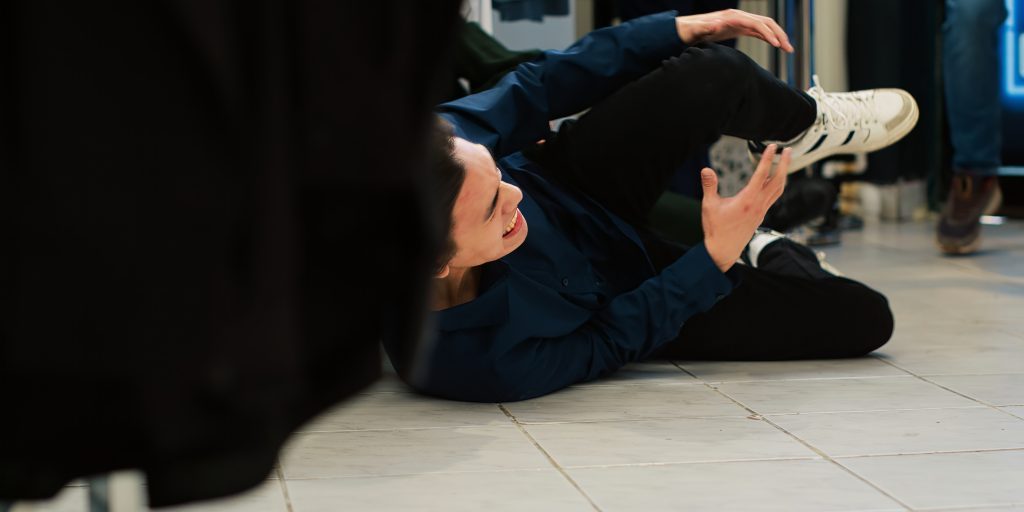
Chicago is full of places where people gather, shop, walk, and spend time with their families. These spaces should be safe, but poor maintenance or careless oversight often leads to serious injuries. For many, especially older adults and those with disabilities, a fall can cause lasting harm. The Illinois Department of Public Health reports that falls are the leading cause of injury and accidental death among older adults in the state. Environmental hazards make the risk even greater for individuals who rely on mobility aids or struggle with balance.
Slip and fall incidents are often the result of preventable dangers. Business owners, event organizers, or public agencies ignore safety concerns, putting visitors at risk. These accidents tend to happen in specific places where foot traffic, poor design, or a lack of attention allows hazards to develop. Identifying these locations helps clarify why these injuries occur and who may be at fault.
Parks and Public Spaces in Chicago
Chicago’s parks, from lakefront trails to neighborhood playgrounds, are designed to provide rest, exercise, and community. However, when routine maintenance lags, even simple walks can become dangerous.
- Cracked Sidewalks in Aging Parks. In places like Garfield Park and Washington Park, sidewalk slabs are often lifted by tree roots or worn down by weather. These uneven surfaces seriously threaten pedestrians, particularly those pushing strollers or using walking aids.
- Poor Lighting on Public Trails. Evening walkers in Jackson Park or the North Pond Nature Sanctuary often navigate the grounds in low visibility. Burned-out lights and shadowy paths make detecting broken pavement or debris difficult, increasing fall risk.
- Access Barriers for People Using Mobility Devices. The U.S. Census Bureau estimates that 5.5 million Americans use wheelchairs or scooters. Many Chicago parks lack reliable surfaces or proper seating, which can be dangerous for adults with developmental disabilities who face an earlier onset of age-related changes and fall risk.
Parks should support healthy living, but these public spaces can become harmful when safety standards are not up to par. We understand accidents happen, but you shouldn’t have to face the aftermath alone. Contacto Briskman Briskman & Greenberg to discover the best next steps to take after you or your child suffered a serious fall accident in a public area.
Retail Stores and Grocery Chains in Chicago
Whether shopping or dining out, Chicago residents frequently visit businesses that may contain hidden fall hazards. These incidents often happen quickly and without warning.
- Spilled Liquids at Grocery Chains. En Jewel-Osco in Jefferson Park or Mariano’s in the South Loop, spills from broken containers or refrigeration leaks often go uncleaned for too long. These puddles may blend into the floor, especially under dim lighting.
- Unsecured Entry Mats at Neighborhood Stores. Small businesses often use floor mats in areas like Bridgeport and Lincoln Square during wet seasons. When these mats slide or curl, they create trip hazards for shoppers, particularly those using mobility aids.
- Cluttered Aisles in Busy Retailers. Target on Clark or Walmart near 83rd Street often features narrow aisles and promotional displays. Stacked boxes and rolling carts block visibility and restrict movement, increasing fall risk.
- Slippery Entrances at Popular Restaurants. Dining spots in River North or along Randolph Street receive high foot traffic. Tracked-in rain or snow turns entrances hazardous when mats are saturated or missing.
- Spills and Grease at Fast-Casual Chains. Locations like Portillo’s in Streeterville or Lou Malnati’s near Lincolnwood experience frequent spills that may go unnoticed during busy hours.
- Dim Hallways and Bathrooms in Older Buildings. In Logan Square or the West Loop, restaurants inside vintage buildings often have dark, narrow halls. Poor visibility and maintenance lapses increase the risk of slipping.
Despite their routine nature, store or restaurant visits can quickly become dangerous when property owners fail to address common hazards.
Watch Your Step! The Hidden Dangers Lurking at Chicago’s Outdoor Events
Chicago’s festivals draw crowds to neighborhoods from Grant Park to Pilsen. While these events are celebrated citywide, they often involve temporary setups and increased crowd density, creating unexpected dangers. The risk of trip and fall accidents increases significantly.
For instance, loose cables laying across walkways at street fairs can catch unsuspecting attendees off guard, while poorly maintained temporary flooring at outdoor festivals may have uneven surfaces or gaps that create hazardous conditions. Additionally, overflowing trash bins at markets can obstruct paths, forcing pedestrians to navigate around them and increasing the likelihood of accidents.
If a Chicago resident suffers an injury due to such negligence, they have rights and may be entitled to compensation, especially if it can be proven that a third party, such as event organizers or vendors, failed to ensure a safe environment. In cases where dips, holes, or raised bumps in the ground contribute to an accident, it’s essential for injured parties to understand they can hold those responsible accountable for their injuries.
Did You Sustain a Fall Injury at a Local Chicago Hospital or Medical Facility?
Medical centers are meant to support recovery, yet many can become sites of an unexpected injury. From hospital lobbies to outpatient clinics, unsafe conditions can lead to serious falls, particularly for high-risk patients or, in some events, hospital workers.
- Slippery Entrances and Waiting Areas. Facilities like Rush, Northwestern Memorial, and the University of Chicago Medical Center receive constant foot traffic. Water tracked in from rain or snow creates slick surfaces near entryways when staff fail to intervene quickly.
- Uneven Floors and Worn Infrastructure. Older buildings and transitional spaces often contain raised tiles or poor flooring transitions. These irregularities are dangerous for patients using walkers or IV poles and may go unnoticed by distracted staff or visitors.
- Increased Fall Risk Among Vulnerable Populations. According to the Illinois Department of Public Health, falls are the leading cause of injury and accidental death for older adults. People with disabilities face even greater risk, particularly those experiencing age-related changes as early as 35. Mobility challenges are compounded by structural obstacles, making hospitals risky for many patients.
Hospitals should offer stability and care, but poor upkeep can lead to life-altering injuries for those already in vulnerable physical states. If you are an administrative hospital worker, registered nurse (RN), or a doctor who travels across hospital units and suffers a fall, you are entitled to seek compensation for your injury.
Falling at a Local Elementary School or Childcare Facility in Chicago
From CPS campuses to private preschools, educational spaces across Chicago must balance care and safety. Without consistent maintenance, slip-and-fall risks quickly emerge. In addition to the dangers present at public events, teachers, parents, and children face unique hazards in childcare facilities and public schools. Ensuring a safe environment requires vigilance from all parties, as accidents can lead to serious injuries and create added stress for families.
Parents and caregivers must remain alert and proactive in reporting unsafe conditions to ensure children can learn and play in a secure environment. A little attention to safety can go a long way in preventing accidents and fostering peace of mind for everyone involved.
Here are five common scenarios where slip-and-fall incidents can occur in childcare facilities or schools:
- Wet hallways: Students may slip on wet floors due to spills, cleaning, or inclement weather, which can lead to accidents if not properly marked with warning signs.
- Playground equipment: Children running or playing on slides, swings, or climbing structures may fall due to faulty equipment, inadequate surface cushioning, or overcrowding.
- Crowded entryways: With parents and children rushing during drop-off or pickup times, crowded areas can lead to slips and falls, particularly if the ground is uneven or cluttered.
- Classroom settings: Teachers and staff may trip over misplaced items, backpacks, or loose cables during instructional time, posing risks not only to themselves but also to their students.
- Outdoor hazards: Uneven surfaces, potholes, or debris on school grounds can create dangerous situations for those walking to or from the building, especially in high-traffic areas.
By fostering a culture of safety awareness and promptly addressing potential hazards, schools and childcare facilities can significantly reduce the likelihood of slip-and-fall incidents, ensuring a healthier and happier environment for everyone.
Speak With A Chicago Slip and Fall Attorney About Your Recent Accident
Slip and fall accidents are often dismissed as minor, but their consequences can last a lifetime. A broken hip, traumatic brain injury, or spinal damage can arise from a hazard that should have been fixed—something as simple as a wet entry mat, an uneven sidewalk, or a dark hallway with no warning. In a city as walkable and dense as Chicago, unsafe property conditions are not just an inconvenience. They can change the course of your health, your work, and your ability to live independently. At Briskman Briskman & Greenberg, we understand the physical and financial toll that preventable falls can create. Whether your injury occurred in a store, hospital, public park, or festival setting, Illinois law may entitle you to hold the responsible parties accountable. To learn more about your options and how liability is assessed in fall-related cases, contact Briskman Briskman & Greenberg at 877-595-4878.


